Towers Ten Condominium Seawall Replacement
Client type: Commercial (condominium association)
Location: Florida
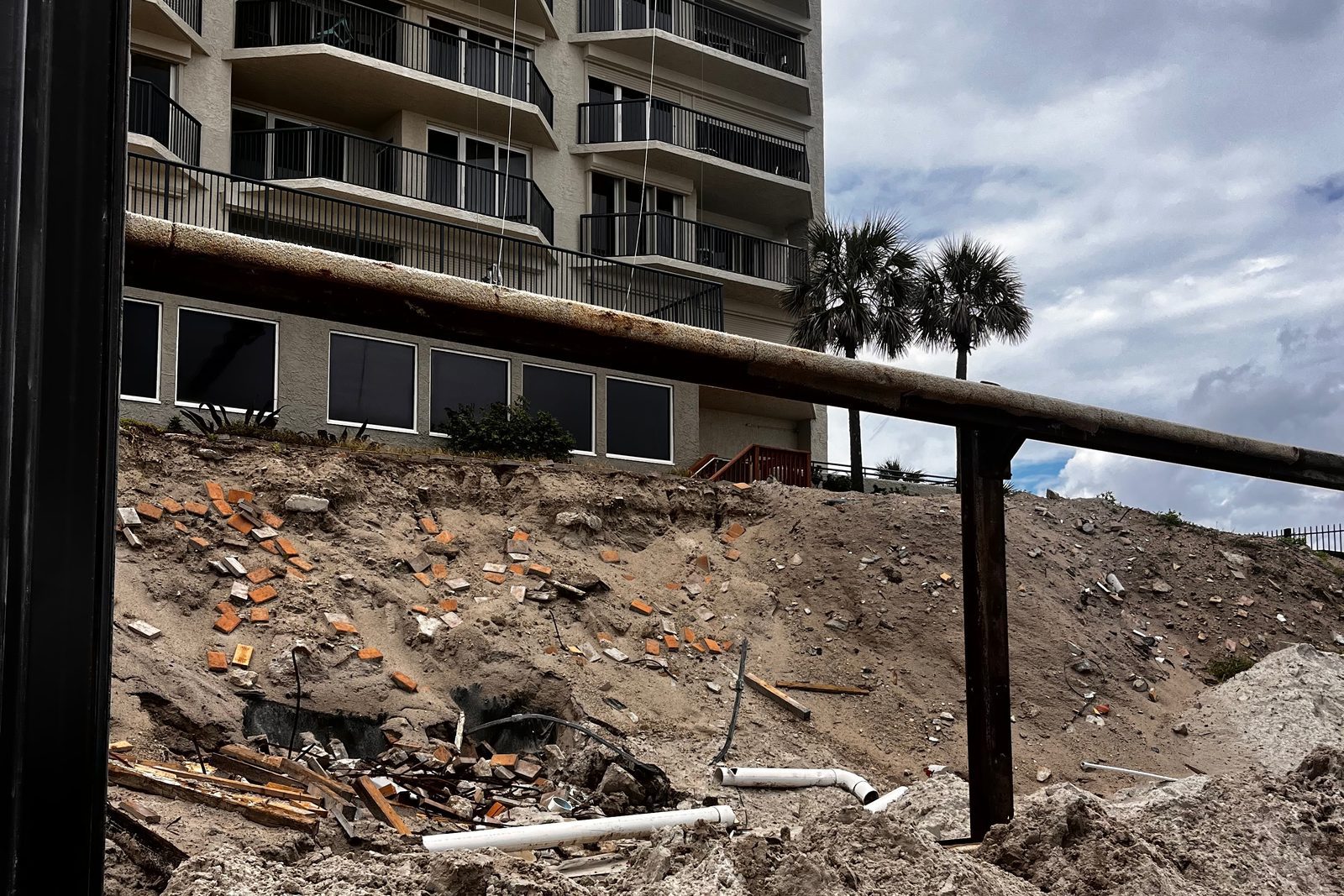
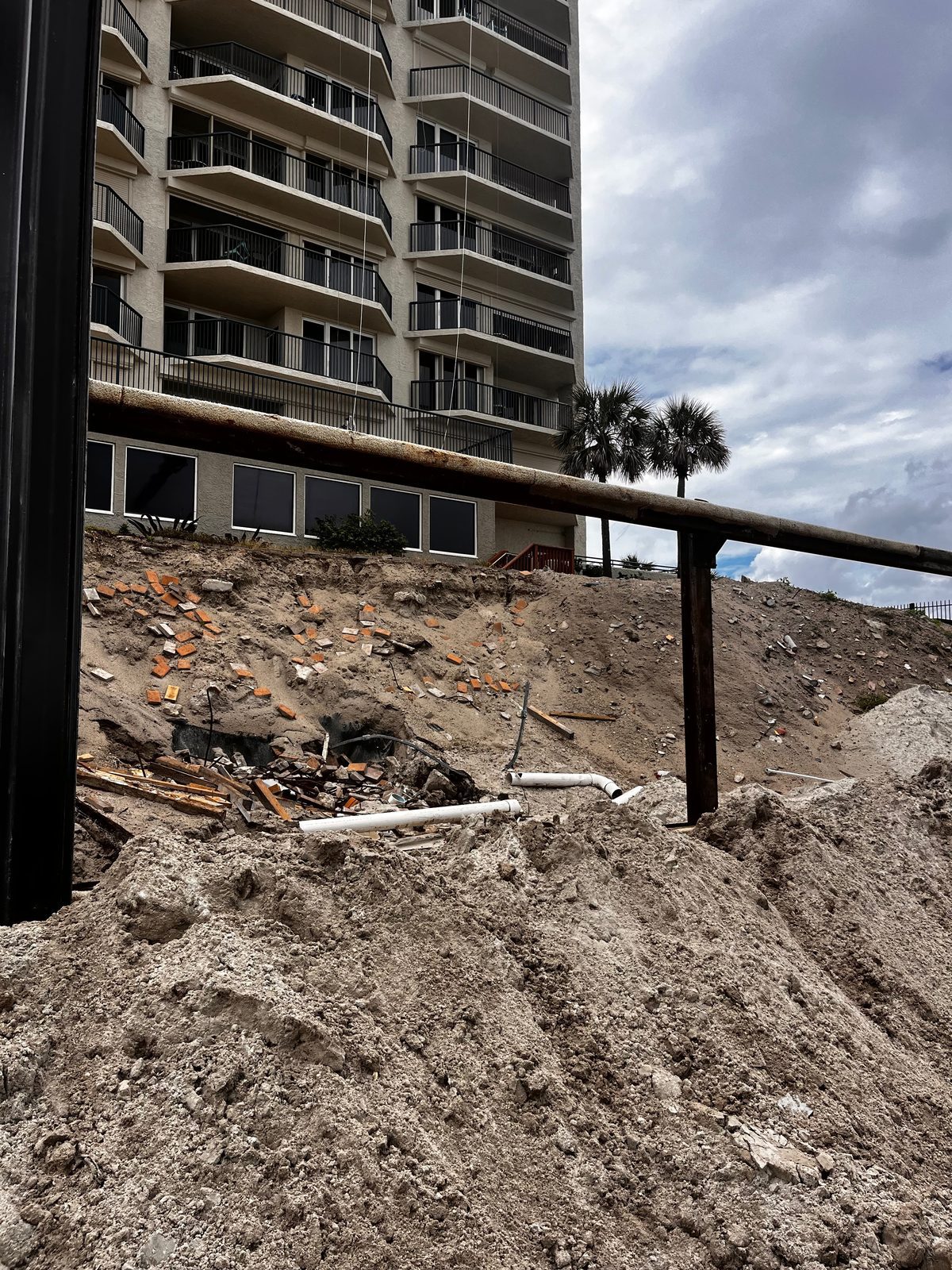
Following Hurricane Ian, the Towers 10 Condo Association was left with significant shoreline damage and ongoing erosion after its existing seawall failed. Parts of the property were compromised and exposed to further storm damage and soil loss. Ultramarine Solutions was hired to design and install a long-term seawall replacement that would stabilize the shoreline and protect the condominium property going forward.
A Failed Wall Beside an Occupied Building
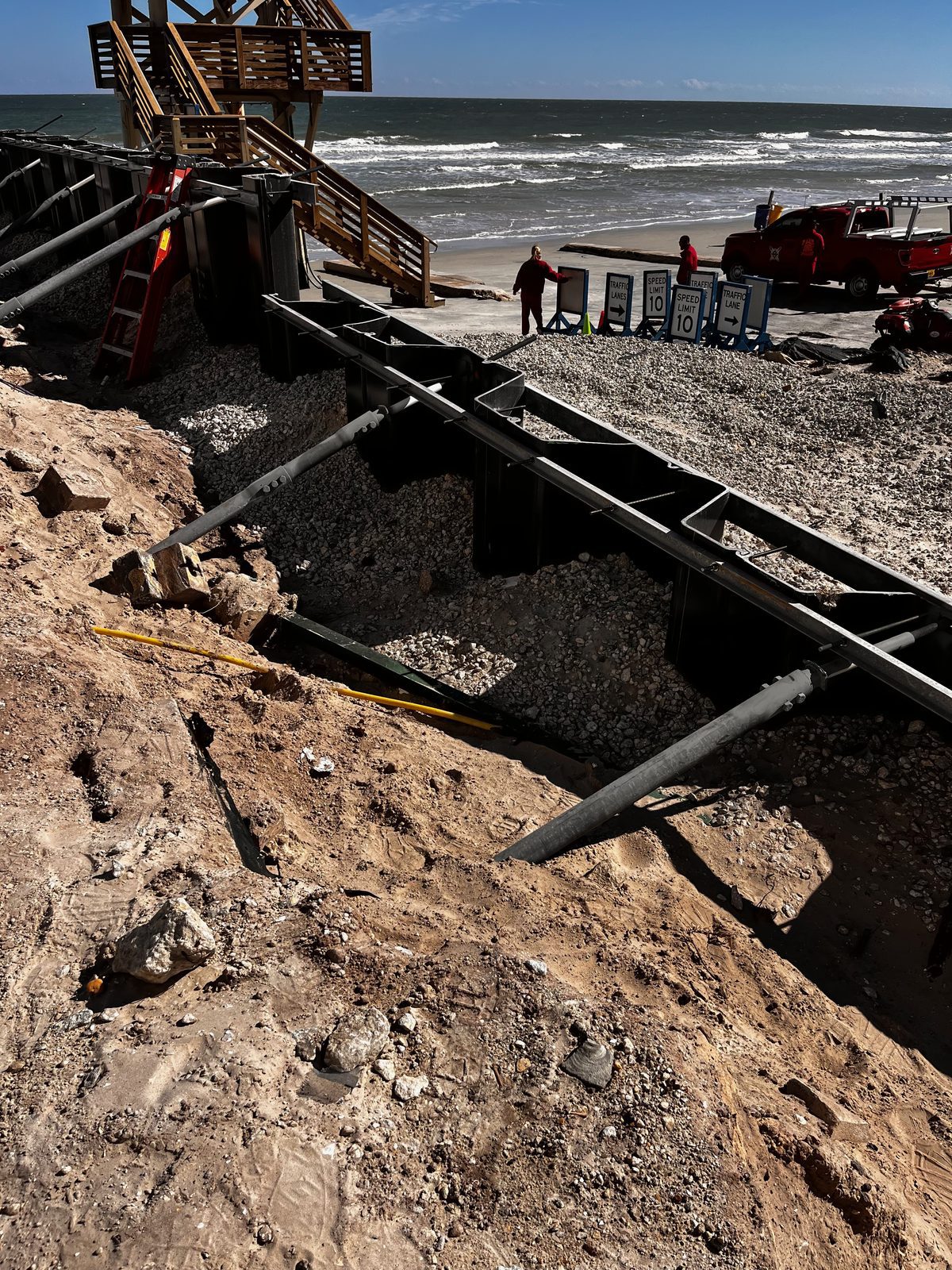
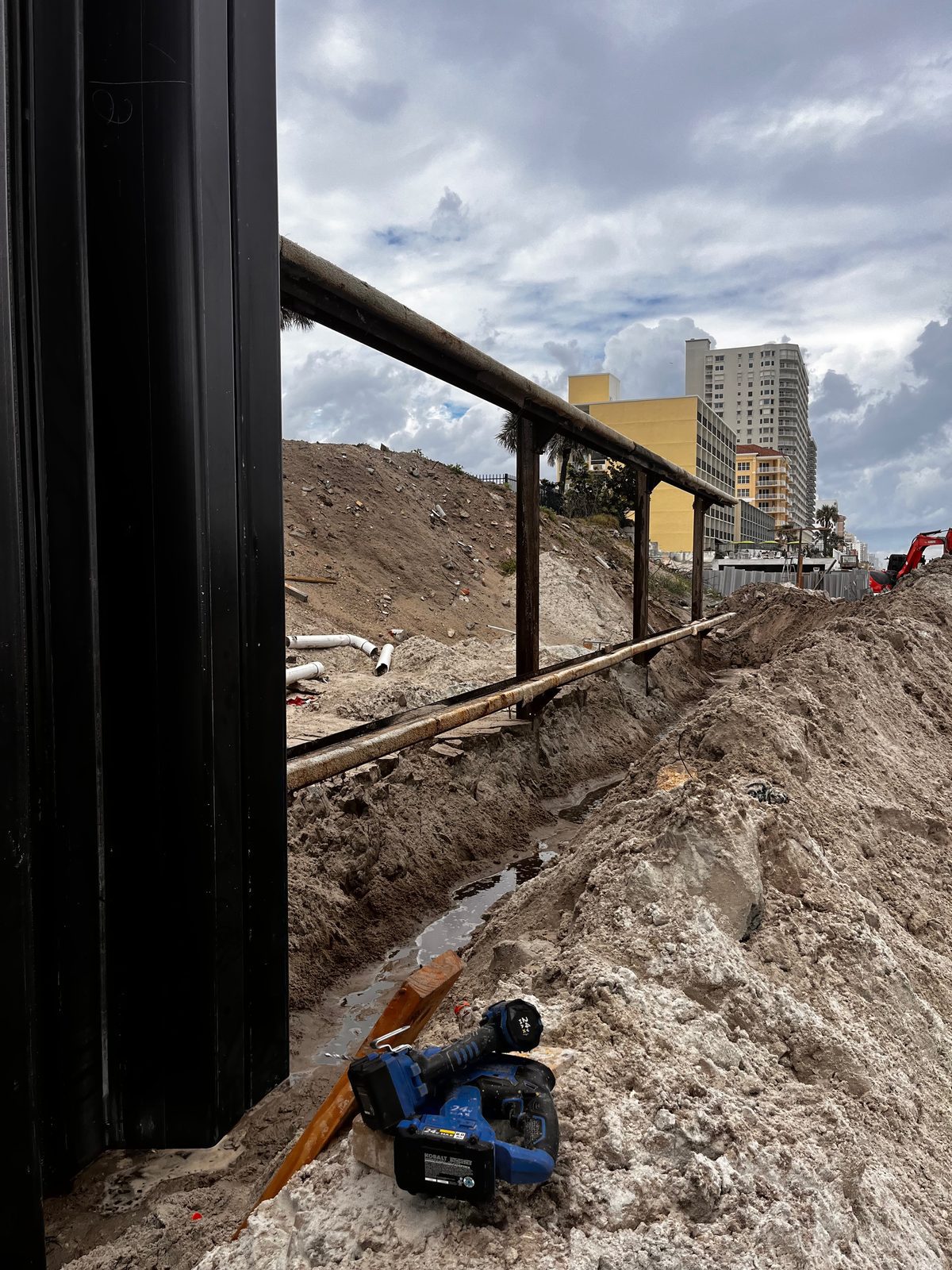
The existing seawall’s failure left the shoreline unstable and the property vulnerable, and the condition of the wall combined with the site’s limitations made a straightforward teardown impractical. On top of that, the work sat right next to an occupied condominium, so construction had to be carefully scheduled and managed to keep residents safe and minimize disruption throughout.
A Stronger Wall, Installed in Front
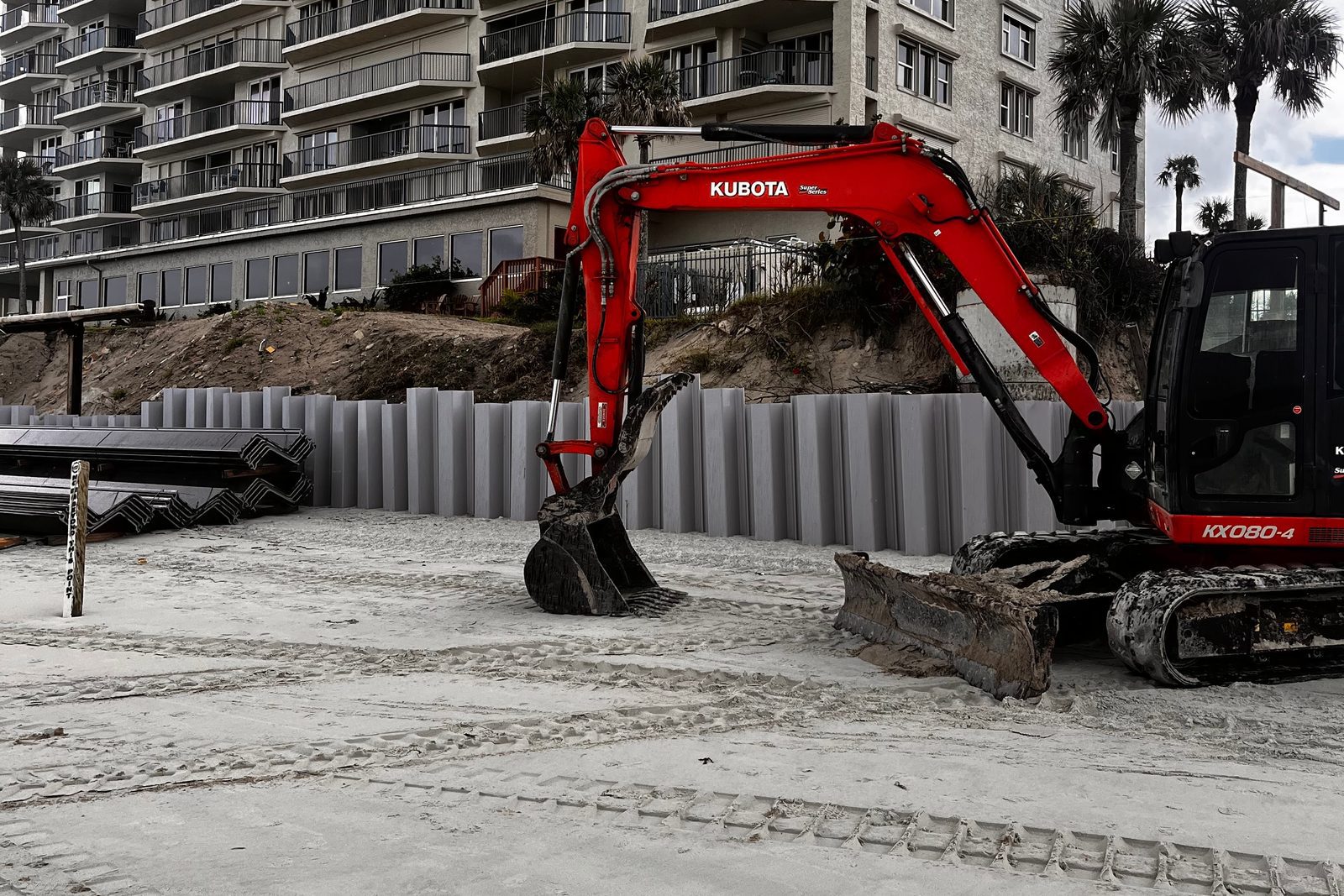
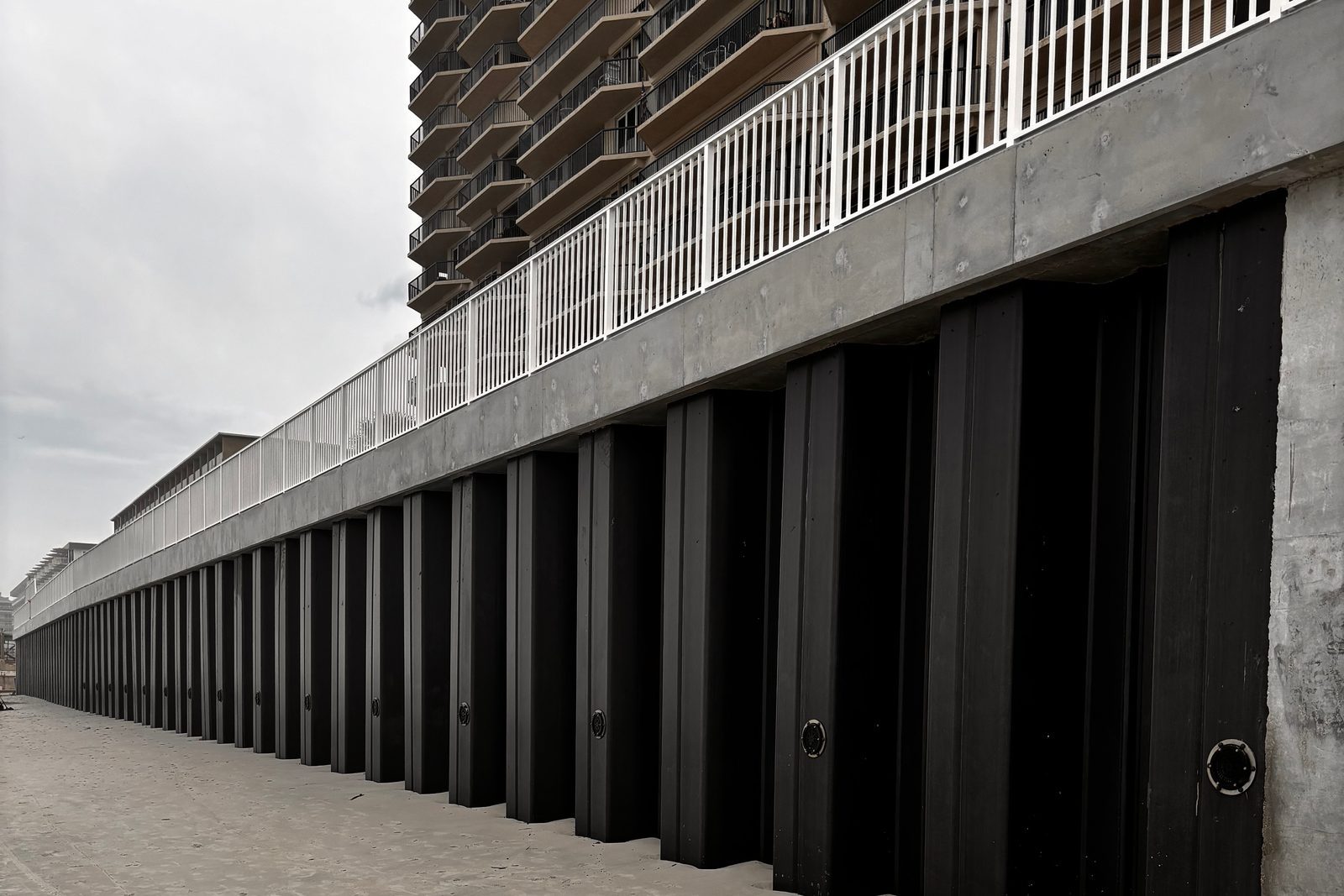
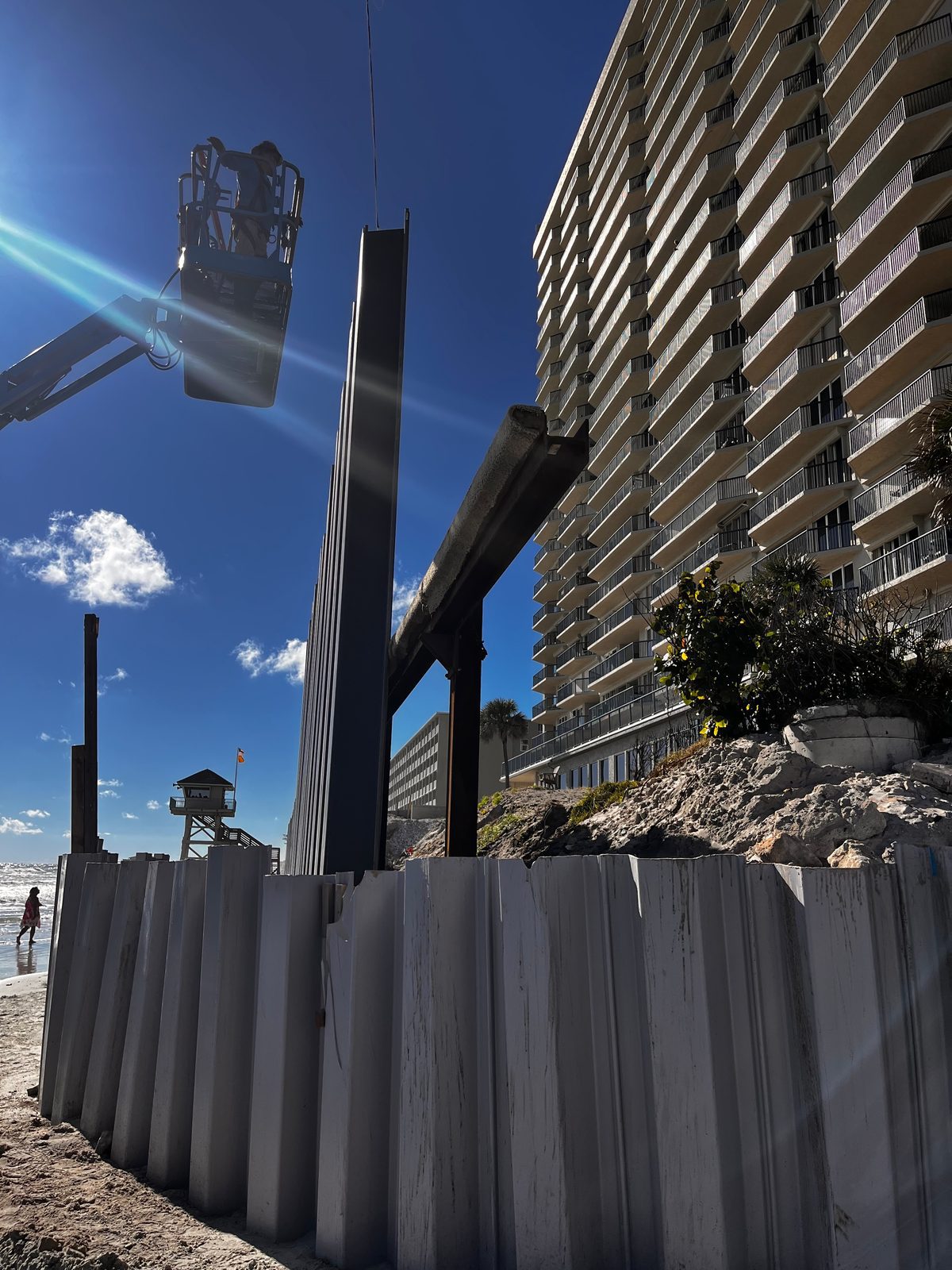
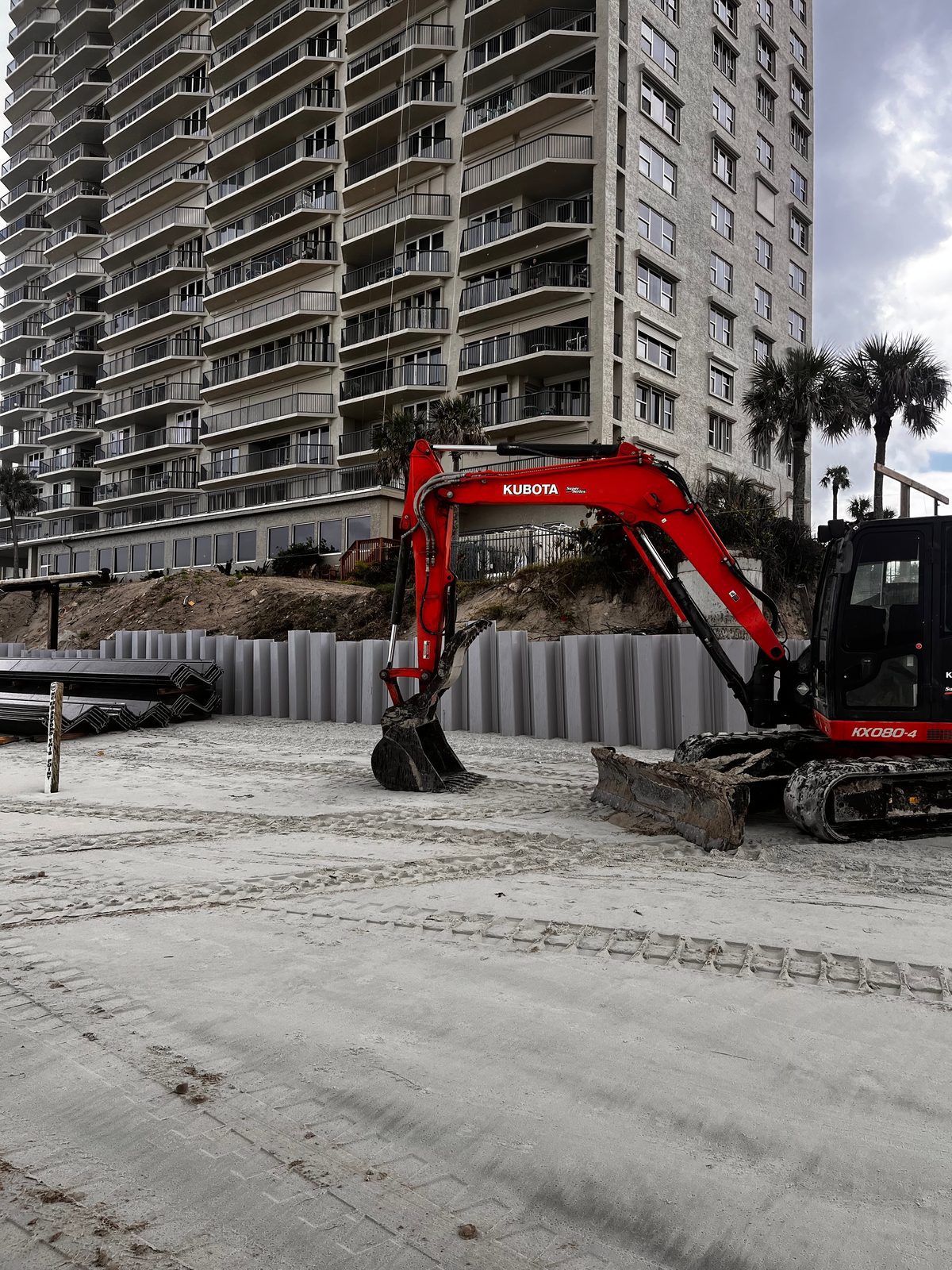
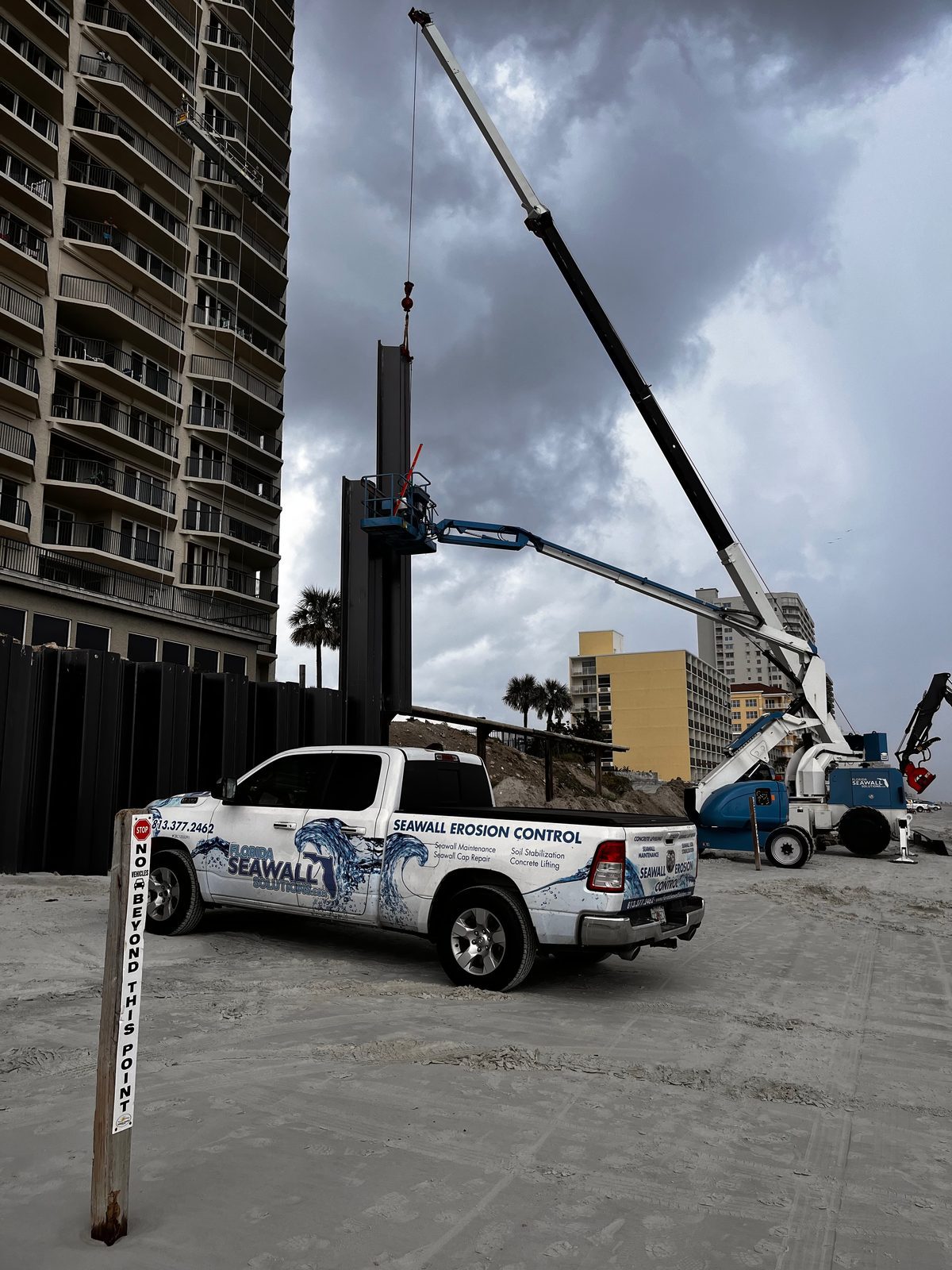
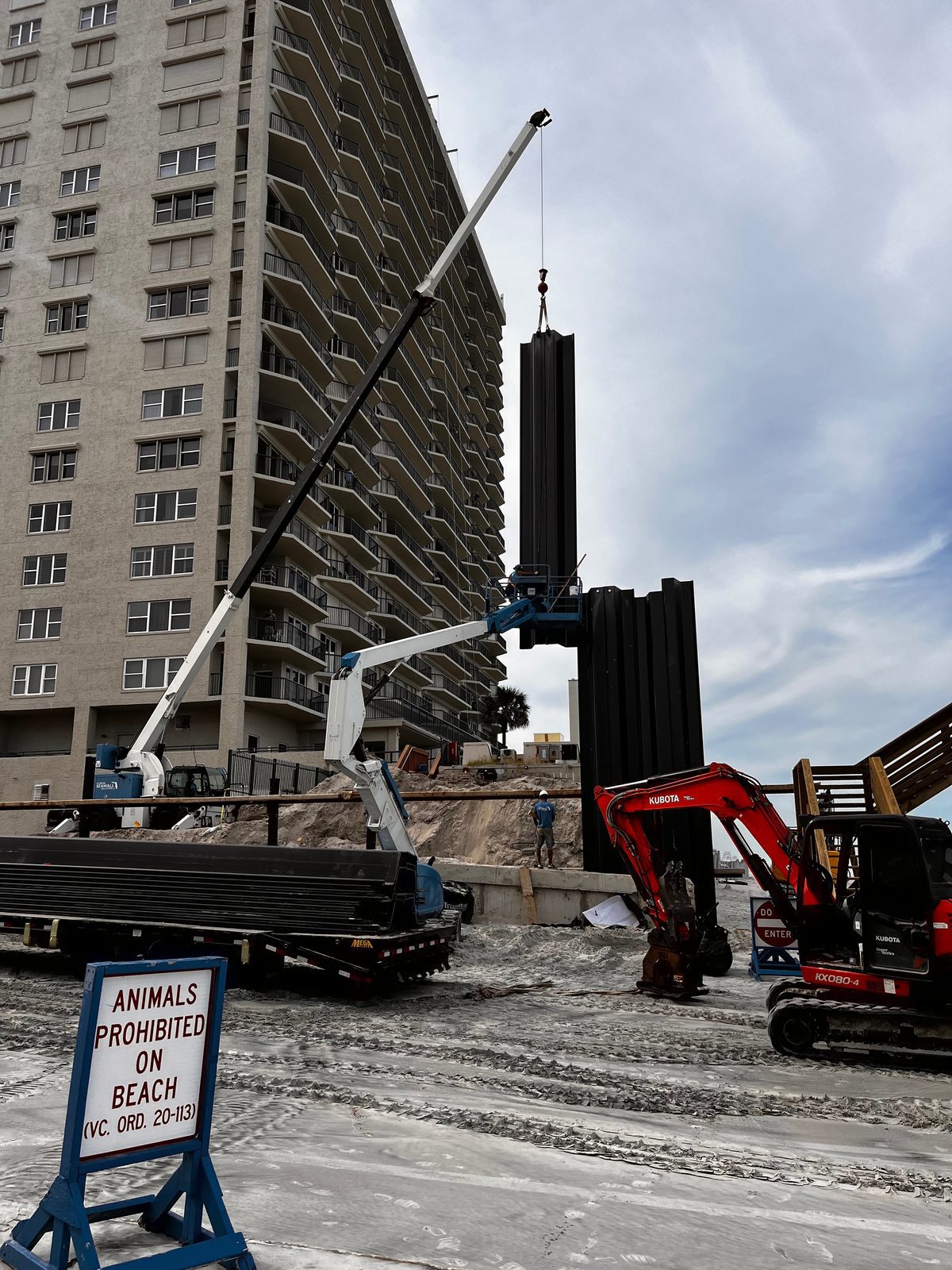
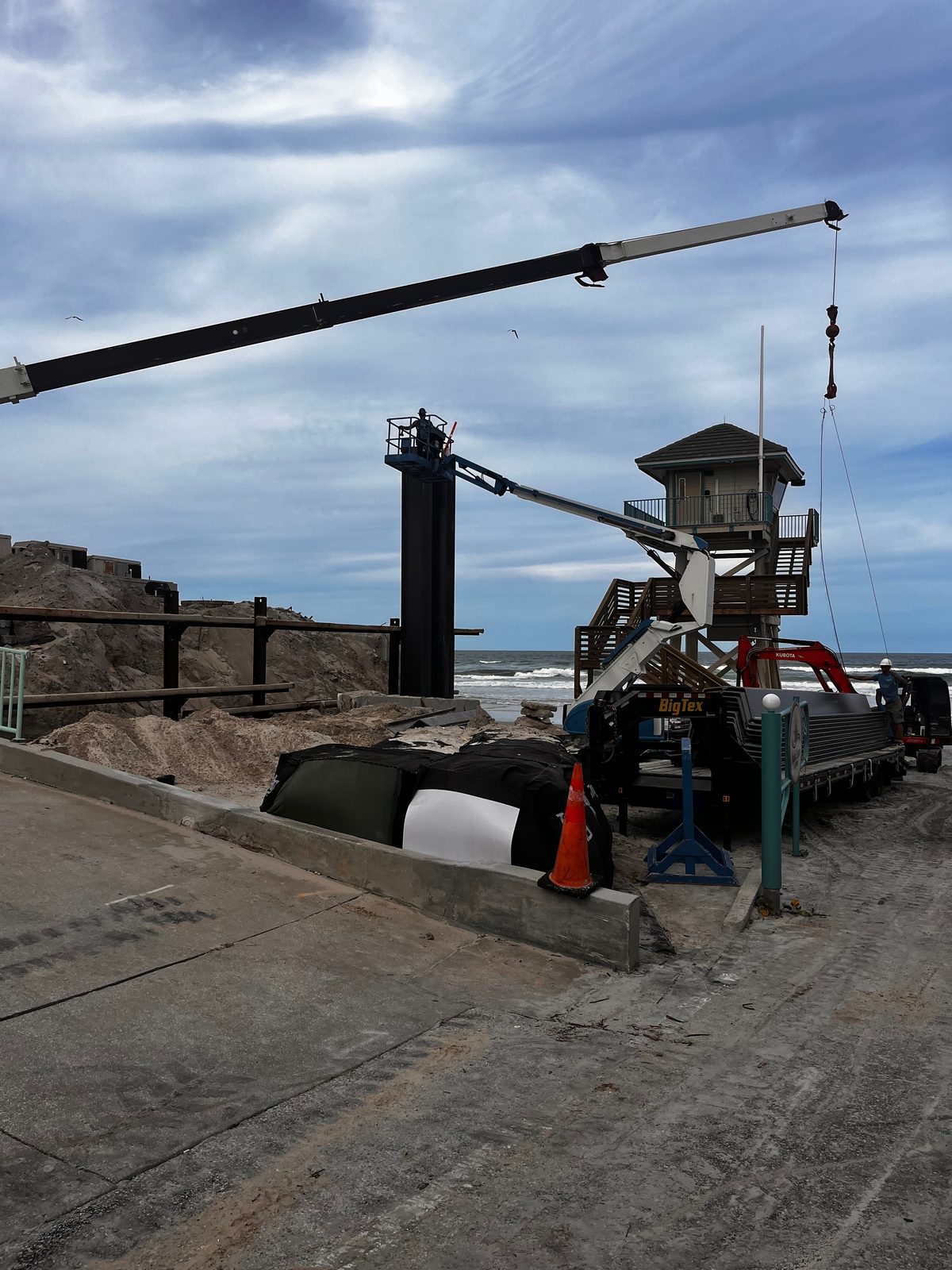
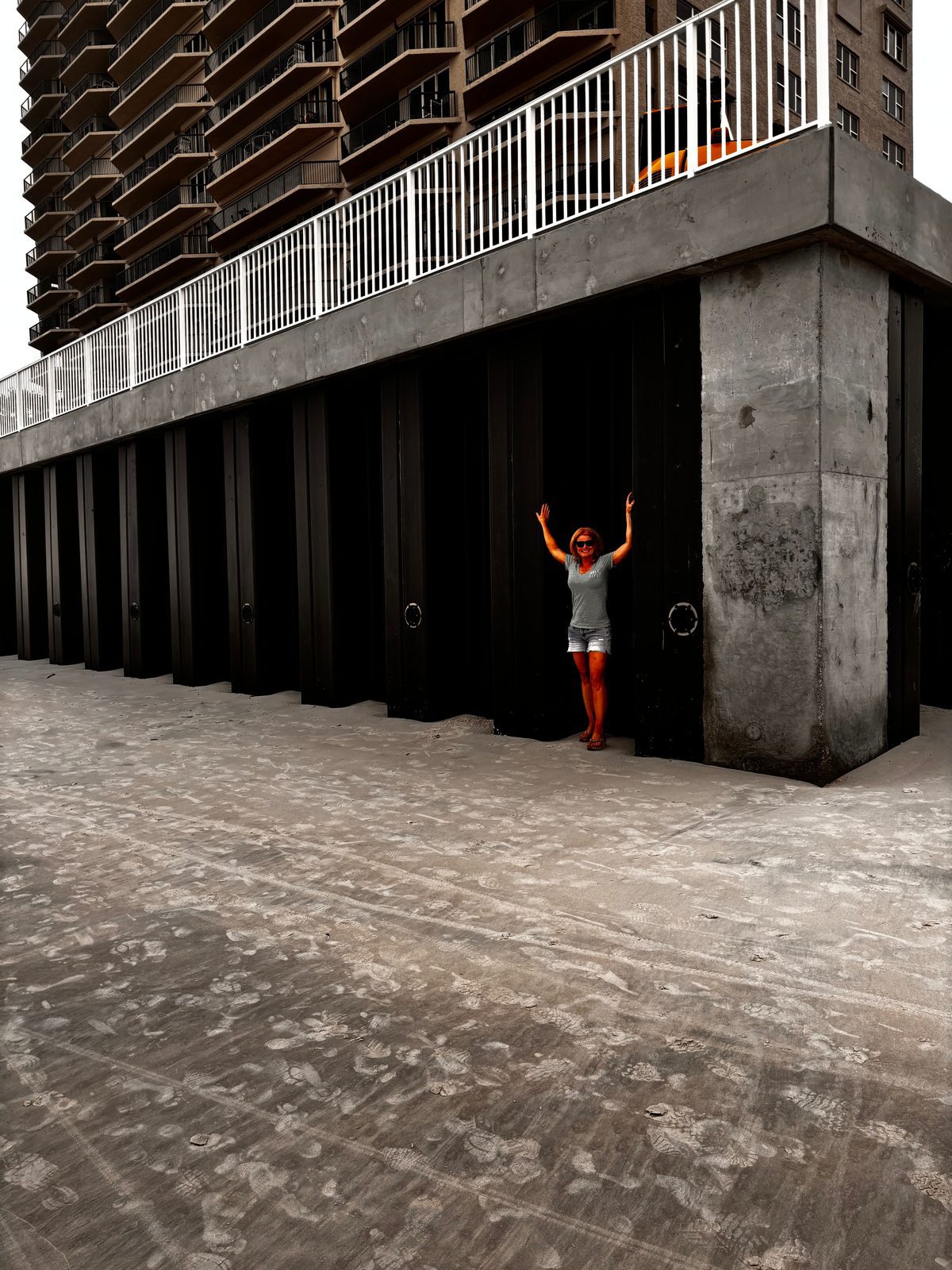
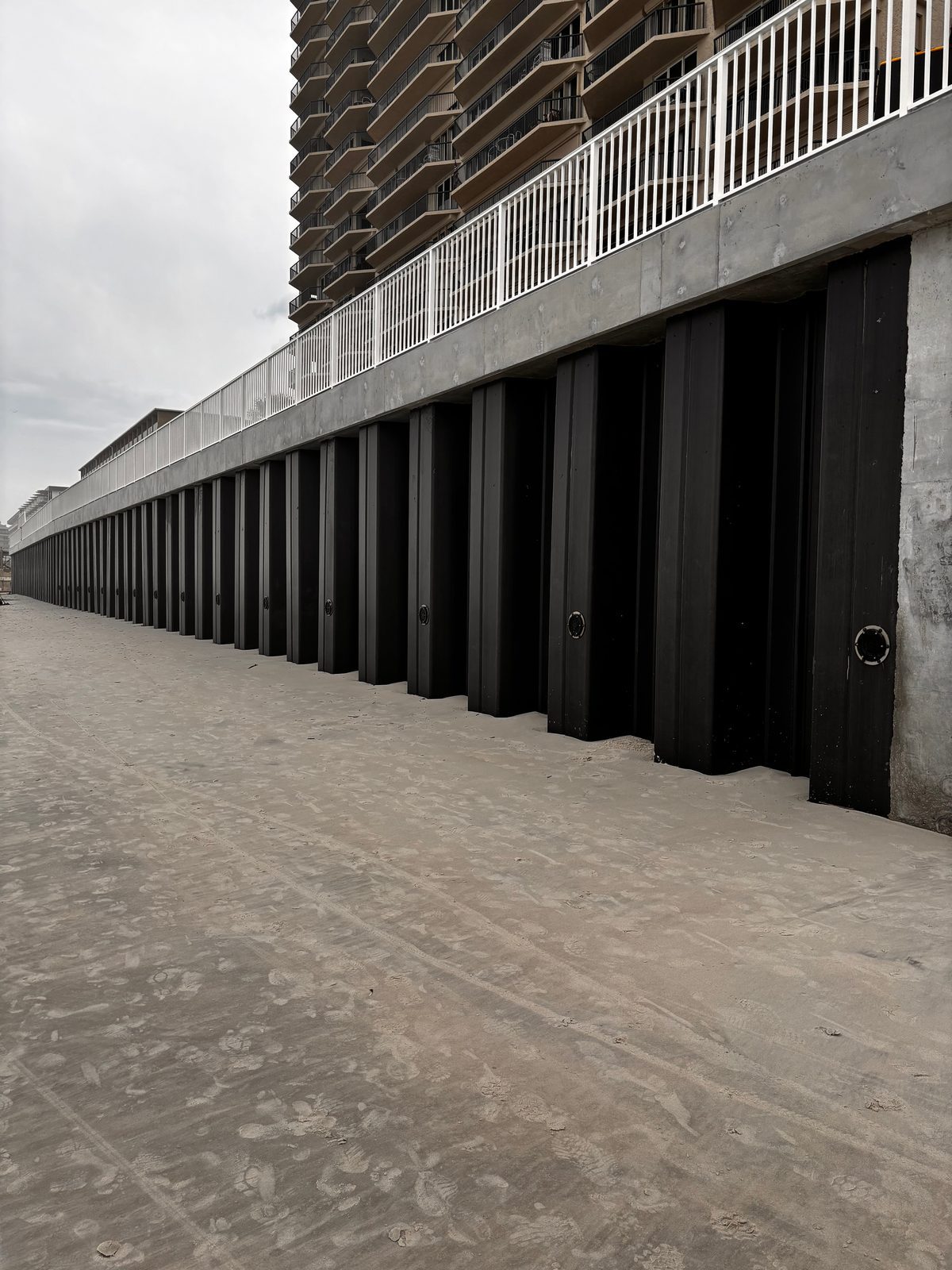
Given the condition of the old wall and the site constraints, Ultramarine installed the new seawall directly in front of the original system, which kept the property stabilized during construction and limited disturbance to the surrounding site and waterfront improvements. The new wall was built with 35-foot composite panels for added structural strength, long-term durability, and superior corrosion resistance. The larger panels also achieved the embedment and support needed for lasting shoreline stabilization after the storm damage. Throughout, the team coordinated stabilization, installation, and sequencing to keep production efficient in tough post-storm conditions.
Project Gallery
Stability Restored for the Association
The completed seawall restored stability to the shoreline and gave the Towers 10 Condo Association a long-term coastal protection solution built to better withstand future storms and ongoing waterfront exposure. The project demonstrates Ultramarine’s ability to deliver large-scale seawall replacements for condominium and association properties while adapting to difficult site conditions and post-hurricane environments.